

Did you know that banks fall behind fraudsters by an average of 8.2 months when detecting banking fraud?
That delay gives criminals more than enough time to move, withdraw, or launder fraudulent deposits before red flags are even noticed.
However, with the right practices in place and monitoring tools, financial institutions can spot these anomalies as they happen and intervene before losses spiral out of control.
In this article, we’ll explore the six best real-time deposit fraud prevention strategies to help you stay ahead of emerging fraud tactics.
Key takeaways
- Real-time prevention matters more than after-the-fact detection
Waiting hours or days to detect deposit fraud gives criminals time to withdraw or launder funds. Real-time monitoring stops risky deposits at the moment of submission, before money leaves the account.
- Most deposit fraud exploits process gaps and speed
The most common schemes take advantage of delays in traditional banking workflows. Closing these gaps with instant analysis is essential.
- Layered detection reduces losses without hurting good customers
Combining AI monitoring, check image verification, behavioral analytics, and mule account detection allows banks to be precise. This reduces false positives and avoids blanket policies like slashing deposit limits for everyone.
- Risk-based policies create better security and better experiences
Dynamic risk scoring lets institutions apply holds and limits based on real risk, not one-size-fits-all rules. Low-risk, long-term customers get smoother access to funds while high-risk behavior gets flagged and controlled.
- Shared intelligence and vendor platforms accelerate results
Using cross-institution intelligence networks and platforms like VALID Systems helps stop fraud at the point of deposit, not after the loss.
What is deposit fraud?
Deposit fraud refers to any fraudulent activity involving the placement of funds into a bank or credit union account under false or deceptive circumstances.
It occurs when an individual deposits money via check, electronic transfer, or cash, with the intent to unlawfully obtain or redirect funds. This category includes schemes such as:
- depositing counterfeit or altered checks
- initiating unauthorized ACH transactions
- conducting fraudulent wire transfers
How does deposit fraud occur?
Deposit fraud can happen through multiple channels and schemes, many of which exploit traditional banking processes. Understanding these methods is the first step in stopping them. Here are some of the most common ways deposit fraud occurs:
1. Fake or altered checks
One of the oldest scams is still one of the most common. Fraudsters create counterfeit checks using high-quality printers or alter real ones by changing the payee or the amount. They then deposit or cash the checks before the fraud is discovered, and the checks bounce.
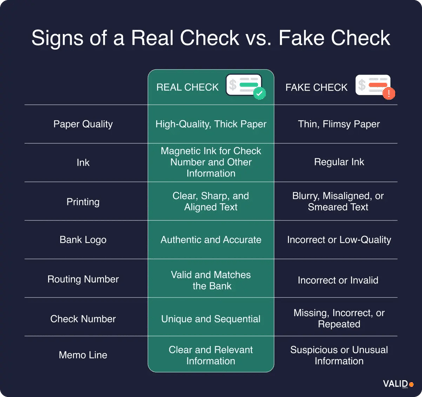
According to a Federal Reserve survey, counterfeit and altered checks were among the leading causes of deposit fraud in 2024.
2. Mail theft leading to fraud
Theft of checks from the mail has become a major driver of deposit fraud. This trend, which surged during the pandemic, is often carried out by organized criminal groups that target residential mailboxes and even USPS mail carriers.
According to the U.S. Financial Crimes Enforcement Network (FinCEN), once checks are stolen from the mail:
- 44% are altered and deposited,
- 26% are used to create counterfeit checks, and
- 20% are forged with fake signatures and deposited.
3. Remote deposit capture (mobile deposit) fraud
A common scheme involves taking advantage of processing delays and depositing the same check multiple times at different banks. Others use altered or doctored images of checks to trick mobile deposit systems.
For example, a fraud ring in Los Angeles recruited people via social media to deposit hundreds of thousands of dollars in stolen checks using mobile apps, then quickly withdraw funds or make purchases before the fraud was detected.
4. First-party fraud (check kiting)
Not all deposit fraud is committed by outsiders. In some cases, the bank’s own customer is responsible.
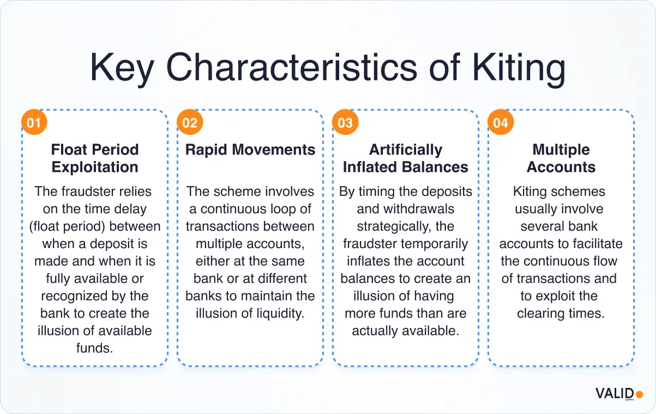
Check kiting is a classic example. It happens when someone writes a bad check from one of their accounts, deposits it into another account they control, and quickly withdraws money before the check clears.
5. Electronic deposit scams (ACH & wire transfers)
Fraudsters also target electronic deposit channels, like ACH and wire transfers.
In ACH fraud, criminals use stolen bank accounts and routing numbers to initiate unauthorized deposits or withdrawals, often posing as a legitimate business running payroll or requesting payment as a vendor.
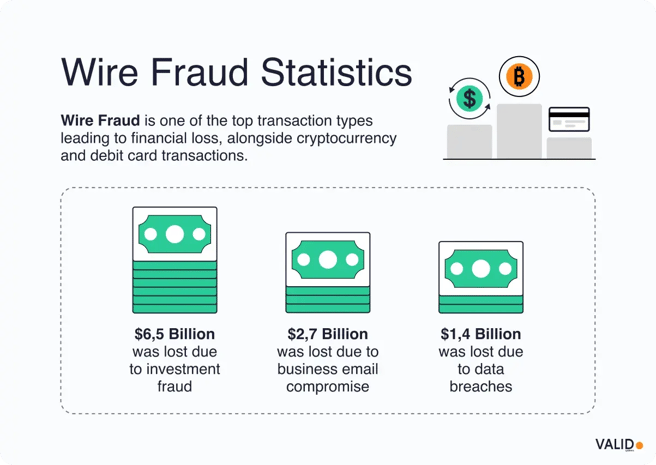
Wire transfer fraud typically relies on social engineering. Scammers impersonate trusted individuals or companies, such as a CEO or a supplier, to trick bank staff or customers into sending funds to a fraudulent account.
The importance of real-time deposit fraud prevention
Here are some of the key benefits of implementing real-time deposit fraud prevention:
- Stops losses before they happen – With check and deposit fraud losses exceeding $24 billion, banks can’t afford to rely on after-the-fact detection anymore. Real-time prevention stops fraudulent deposits in the moment, preventing losses before funds ever leave the account.
- Blocks the fraud at the source – Deposit fraud has exploded, with the U.S. Treasury reporting a 385% increase in check fraud since the pandemic. Real-time prevention allows banks to intercept these fraud attempts at submission instead of letting them multiply into larger losses.
- Outpaces modern fraud tactics – Fraudsters exploit faster payments to move money within minutes, making traditional detection methods ineffective. With 44% of organizations unable to recover stolen funds, real-time prevention gives banks the advantage they need to stop fraud.
- Strengthens regulatory readiness – As regulators push for stronger, risk-based transaction monitoring, real-time deposit fraud prevention helps banks stay ahead of expectations rather than react to examiner findings. With new industry rules requiring more proactive monitoring, real-time controls demonstrate compliance and readiness.
- Protects customer experience while improving security – In response to fraud, some banks have slashed mobile deposit limits from $100,000 to $1,000, frustrating legitimate customers. Real-time prevention allows institutions to tighten security without punishing good users, protecting both customer trust and retention.
6 best real-time deposit fraud prevention strategies to try in 2026
As deposit fraud continues to rise at an unprecedented pace, financial institutions need smarter, real-time prevention strategies that stop losses without disrupting legitimate customers.
1. Deploy AI-powered real-time monitoring systems
Real-time monitoring systems can instantly analyze incoming deposits and flag suspicious activity before the funds are misused.
With over 80% of fraud professionals planning to adopt AI/ML in the next two years, real-time AI monitoring is quickly becoming a baseline expectation for fraud prevention.
How to put this into practice:
- Implement real-time analysis: Use AI to evaluate deposits the moment they happen, not hours or days later.
- Combine supervised and unsupervised learning: Let supervised models detect known fraud patterns while unsupervised models uncover unusual behaviors.
- Integrate AI decisioning into workflows: Allow systems to automatically hold, reject, or escalate high-risk deposits before funds are released.
- Continuously retrain models: Fraud tactics evolve, and your AI must stay up-to-date using fresh data and feedback from investigations.
- Include human oversight: Let AI flag and prioritize risk, but keep human analysts involved in final decisions for complex cases.
Pro tip
Platforms like VALID Systems’ CheckDetect use real-time, machine-learning decisioning to analyze check deposits at the moment of submission, before funds are fully released. This allows banks to identify high-risk checks early and prevent over 75% of potential check-deposit charge-offs.
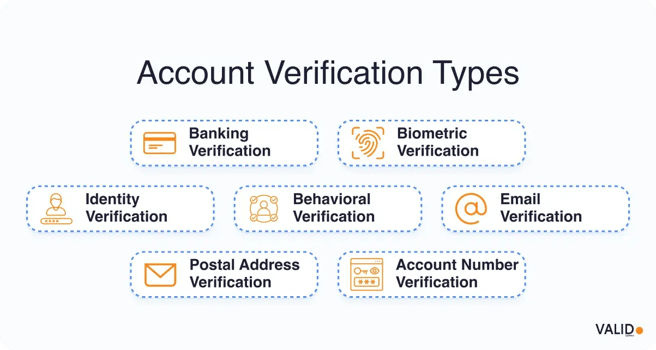
2. Implement multi-layered check verification
A layered image verification approach helps banks quickly identify altered, duplicated, and counterfeit checks before funds are made available.
These systems analyze both the visual elements of a check and the underlying data in real time. They look for signs of tampering, validate security features, and compare incoming checks against internal and shared databases of known fraudulent or previously deposited items.
How to put this into practice:
- Start with real-time image analysis: Use tools that scan every deposited check for visual signs of alteration, erasures, or formatting inconsistencies as soon as it’s uploaded.
- Add database cross-checking: Compare checks against internal records and industry fraud databases to catch stolen, duplicated, or previously cleared items.
- Ensure data consistency: Validate that routing numbers, check numbers, and payee details in the image match what’s recorded in your banking system.
- Layer your detection signals: Combine image analysis with deposit behavior, account history, and risk scoring to reduce false positives.
- Automate high-risk decisions: Set rules so high-risk checks are automatically held, declined, or escalated before funds are released.
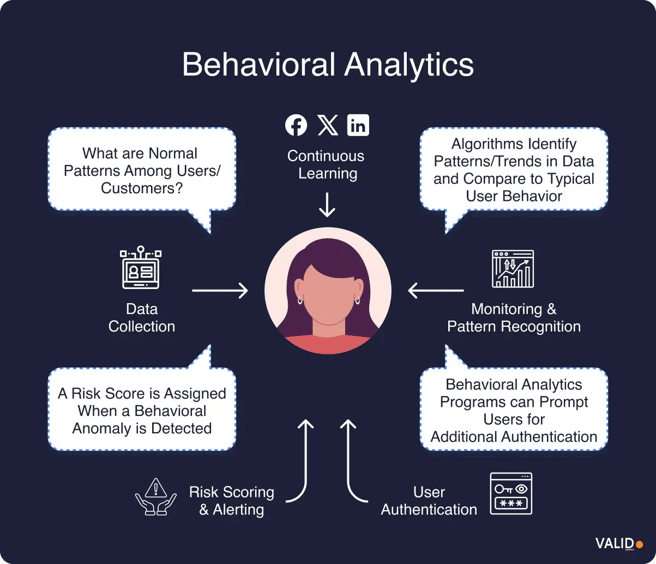
3. Leverage behavioral analytics and biometrics
Behavioral analytics and biometrics help banks verify that the person making a deposit is actually the legitimate account holder, not a fraudster using stolen credentials.
These tools build a behavioral profile for each user based on how they type, navigate apps, and use their device.
How to put this into practice:
- Create behavioral baselines: Build a normal usage profile for each customer based on login, navigation, and device patterns.
- Use behavioral biometrics: Monitor keystrokes, touchscreen interactions, and device handling to detect suspicious sessions.
- Add biometric checks for risky actions: Require facial or fingerprint verification for large or unusual deposits.
- Track account behavior patterns: Look for abnormal deposit activity, location changes, or signs of mule behavior.
- Enable risk-based friction: Only introduce extra verification steps when behavior deviates from normal patterns.
Pro tip
VALID’s Financial Health Score and behavioral analytics use real depositor behavior to establish a baseline of what “normal” looks like for each customer and account.
This helps institutions:
- Detect behavioral deviations early instead of relying on static thresholds
- Reduce unnecessary deposit holds for low-risk customers
- Apply smarter, risk-based controls that protect both security and customer experience
4. Identify and interdict mule accounts
Mule accounts often show patterns like large deposits followed by immediate withdrawals, rapid fund transfers through new accounts, or activity that doesn’t align with the customer’s profile.
Modern fraud systems can spot these behaviors in real time and uncover connected mule networks using transaction and network analysis.
How to put this into practice:
- Focus on new accounts: Closely monitor accounts in their first 30–90 days for unusual deposit and withdrawal patterns.
- Flag rapid fund movement: Identify accounts where money moves in and out quickly with no clear business purpose.
- Apply network analysis: Detect connected mule rings through shared devices, phone numbers, IP addresses, or transaction links.
- Compare behavior to customer profile: Identify activity that doesn’t align with the account holder’s stated purpose or income.
- Train frontline teams: Help staff recognize red flags like nervous behavior or unclear explanations for large transactions.
5. Adopt risk-based deposit policies
Instead of applying the same holds and limits to every customer, risk-based deposit policies adjust controls based on how risky a deposit actually is.
Using real-time risk scoring, banks can decide whether to release funds immediately, place a partial hold, or apply stricter limits.
How to put this into practice:
- Use dynamic risk scoring: Assign each deposit a risk score based on factors like amount, deposit method, account age, and customer history.
- Customize holds and limits per customer: Set personalized deposit limits and hold periods instead of using blanket rules for everyone.
- Apply logic-based rules: For example, if the risk score exceeds a certain threshold, automatically apply longer holds or require manual approval.
- Fast-track low-risk deposits: Use predictive analytics to identify safe deposits that can be released sooner without increasing overall risk.
6. Collaborate and share fraud intelligence
Through fraud data exchanges, industry networks, and partnerships with regulators and law enforcement, banks can share information on stolen checks, mule accounts, and emerging fraud patterns.
When one institution identifies a scam or counterfeit item, others can block it in real time.
How to put this into practice:
- Participate in fraud intelligence networks: Join industry consortia and sharing communities such as FS-ISAC, national banking association fraud working groups, or regional payment/fraud task forces to exchange live fraud indicators with other institutions.
- Integrate external data into real-time systems: Allow your fraud tools to query shared databases when deposits occur to check for known accounts, routing, or check fraud patterns.
- Share alerts proactively: When your institution identifies a new fraud scheme or counterfeit check, distribute that intelligence quickly to partners and networks.
- Partner with law enforcement: Maintain active relationships with agencies like local authorities and federal investigators to support rapid response and disruption.
- Monitor regulatory alerts: Track fraud bulletins and trend reports from financial regulators, central banks, and organizations like FS-ISAC, as well as vendor threat intelligence portals and industry fraud newsletters.
Pro tip
Membership in networks like VALID’s Edge Data Consortium provides shared intelligence on deposit fraud, counterfeit activity, and mule networks, giving institutions collective industry visibility rather than operating in isolation.
Backed by data from 420M+ accounts and $6T in annual deposit volume, it delivers predictive signals that help banks detect and stop fraud faster.
Why leading institutions are choosing VALID for real-time deposit fraud prevention
Stopping deposit fraud in real time isn’t about adding another tool. It’s about shifting the moment of decision from the back office to the exact point where risk is created.
VALID Systems works with major institutions like PNC Bank, TD Bank, and Truist, processing over $4 trillion in annual check volume, where there’s zero room for delay, guesswork, or after-the-fact detection.
While many solutions analyze fraud after deposits are made, VALID operates at the moment of occurrence to stop fraud before funds ever leave the account.
Here is why you should consider VALID:
- Real-time decisioning: VALID’s Real-Time Loss Alerts (RTLA) and CheckDetect platform evaluate each deposit as it happens across mobile, ATM, and branch channels. This allows banks to hold, reject, or release funds instantly, protecting both the institution and the customer experience.
- Guaranteed risk protection: VALID doesn’t just detect fraud; it stands behind its decisions.
If a deposit item approved by VALID results in a loss, VALID absorbs the loss, effectively shifting risk off the bank’s balance sheet.
- Machine learning that goes beyond the image: Traditional tools focus heavily on check images. VALID goes deeper by analyzing:
- Behavioral patterns
- Payer and payee relationships
- Transaction context
- Cross-institution intelligence from its Edge Data Consortium
This richer, multi-dimensional approach enables VALID to capture up to 95% of fraud losses, while alerting on only 0.5% of deposit items, dramatically reducing operational burden and false positives.
- Proven impact: Institutions using VALID have achieved results like:
- 74% year-over-year fraud loss reduction (PNC)
- Drop from 22 bps to 2 bps in fraud loss rates (FNB)
- 75% reduction in manual fraud review time (Commerce Bank)
Contact us today and shut down deposit fraud before it becomes a loss.=